
The strategic role of commodities in the global system
International commodities form the foundation of the real economy: they are standardized raw materials traded on regulated markets and used across virtually every industrial sector. Oil, gas, gold, steel, wheat, copper, sugar, and coffee — these resources not only fuel global production, but also influence geopolitics, inflation, currency stability, and investment strategies.
Energy: the driving engine of the modern economy
Among the most influential commodities are the energy sector inputs:
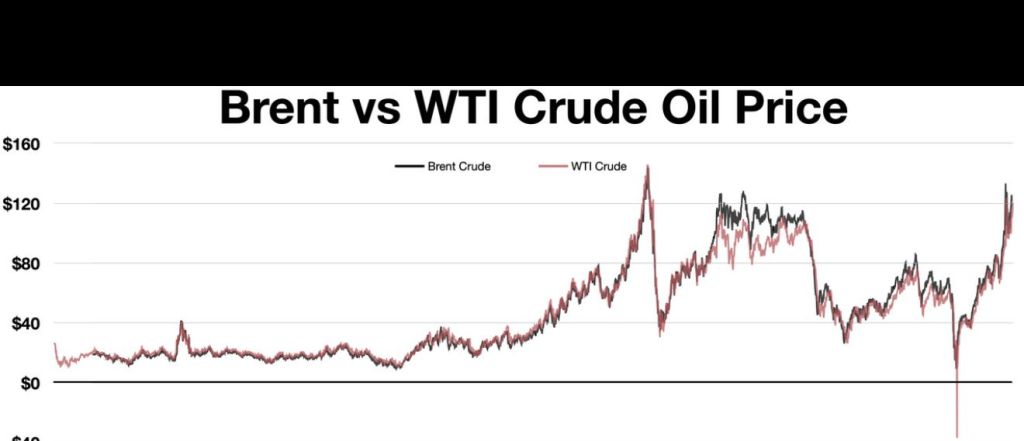
• Oil (Brent and WTI) – critical for transportation and industrial production
• Natural gas – essential for heating, electricity generation and manufacturing
• Coal – still widely used in developing economies
Energy prices respond instantly to geopolitical dynamics: even a short-term shipping disruption, political tension, OPEC decision, or military crisis can trigger a rapid market shift.
Precious and industrial metals: security and infrastructure
Metals can be divided into two major groups:
Precious Metals
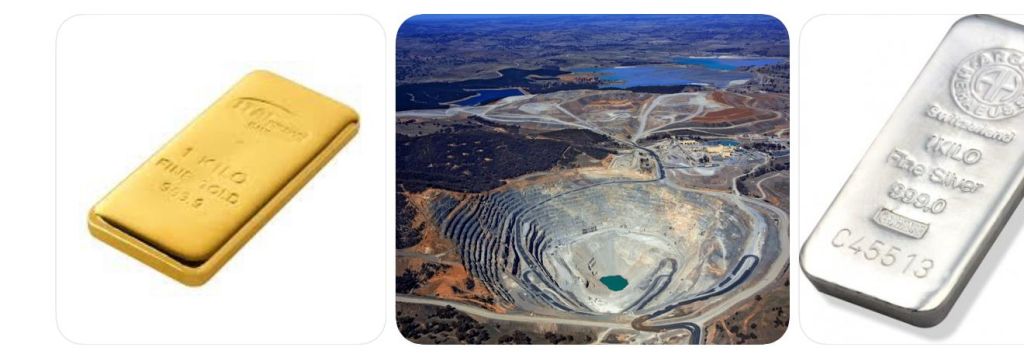
• Gold – the ultimate store of value in times of uncertainty
• Silver – both monetary and industrial
• Platinum and Palladium – fundamental for automotive catalytic systems
Industrial Metals
• Copper – a classic economic health indicator
• Aluminum – essential in construction and logistics
• Nickel, cobalt, and lithium – indispensable for batteries and electric mobility
The acceleration toward renewable energy and electrification has dramatically increased the demand for critical metals, generating new mining initiatives, competition, and international supply-chain tensions.
Agricultural and soft commodities: feeding the planet
This macro-category includes major food-based commodities:
• Wheat, corn, soybeans – fundamental for human and livestock consumption
• Rice – staple food for billions across Asia and Africa
• Sugar ICUMSA 45 – key refined product in international trade
• Coffee and cocoa – highly weather-sensitive and volatile
Pricing in agriculture is primarily shaped by climate conditions, production cycles, storage capacity, and global transport flows.
⸻
Trading mechanisms: futures, spot, and derivatives
Commodities markets operate through multiple channels:
• Spot market – immediate delivery
• Futures contracts – standardized forward contracts traded on exchanges
• Options and derivatives – instruments for hedging and speculation
• OTC contracts – privately negotiated agreements
• Banking instruments (SBLC, BG, MT799, MT760) – used for large-volume physical trade financing
The main commodity exchanges include CME, NYMEX, ICE, London Metal Exchange, Shanghai Futures Exchange, and regional commodity financial centers.
⸻
Commodities and geopolitics: power and access
Whoever controls commodities controls influence and leverage. Examples:
• Oil → Middle East & USA
• Copper → Chile & Peru
• Wheat → USA, Russia, Ukraine
• Lithium → Argentina, Bolivia, Chile
• Rare earths → China
Competition for natural resources is reshaping alliances, trade routes, and strategic priorities.
⸻
Future trends
• Decarbonization and green transition
• Rising demand for battery metals
• Post-pandemic supply chain restructuring
• Commodity tokenization and smart-contract financing
• Sustainable sourcing certification and ESG criteria
• Demographic expansion and food-demand pressures
Commodities are the raw material of modern civilization. Their pricing influences not only financial markets, but the cost of living, industrial growth, national stability, and the entire architecture of the global economic system